Water Damage Restoration vs Water Damage Repair Service: What's the Difference and Which Do You Need?
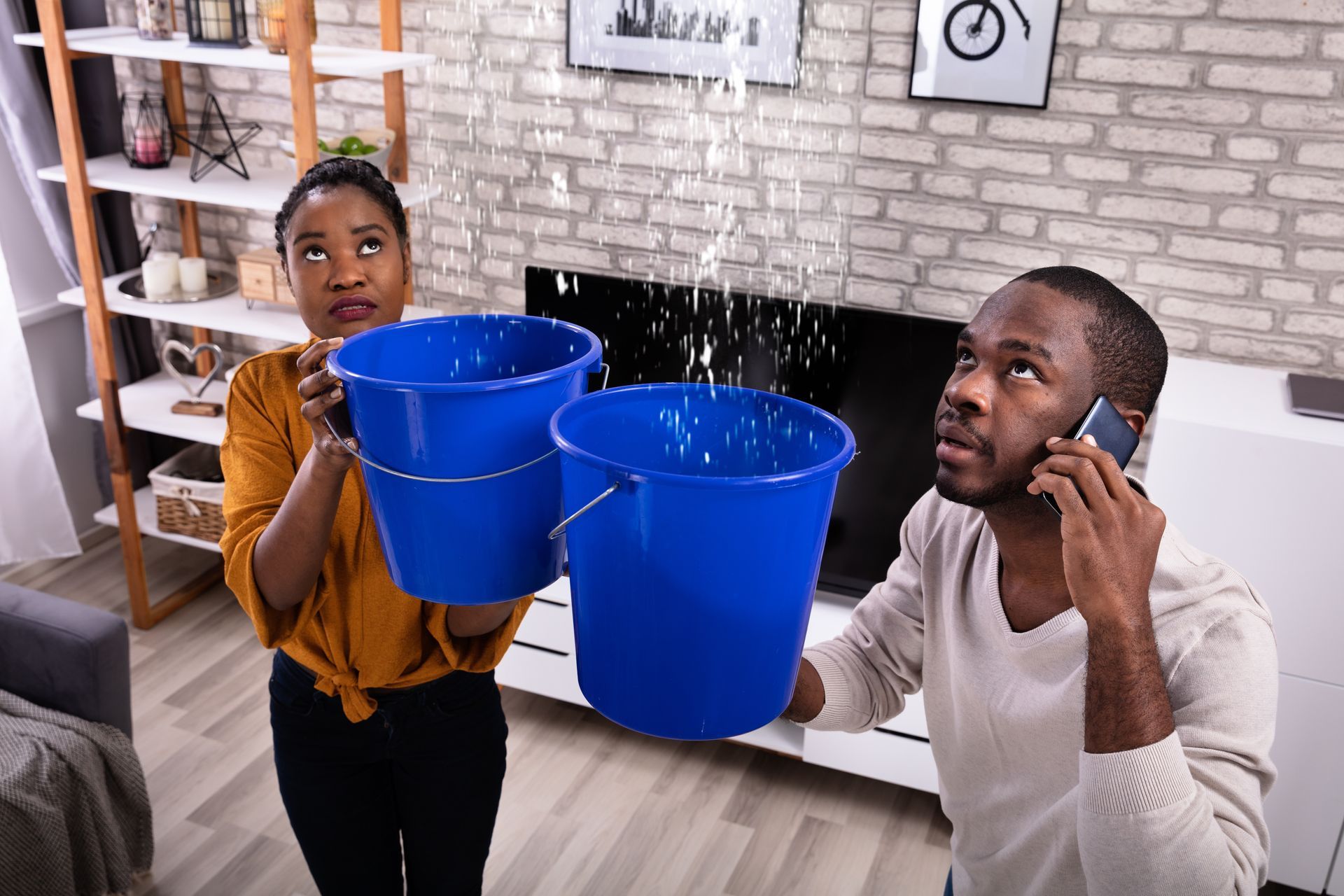
When water gets into your home or business, the terms "restoration" and "repair" often get used interchangeably. They describe different scopes of work, and understanding the difference can save you time, money, and further damage.
What Is Water Damage Restoration?
Water damage restoration is the immediate response phase. It focuses on making your property safe and dry after a water event occurs.
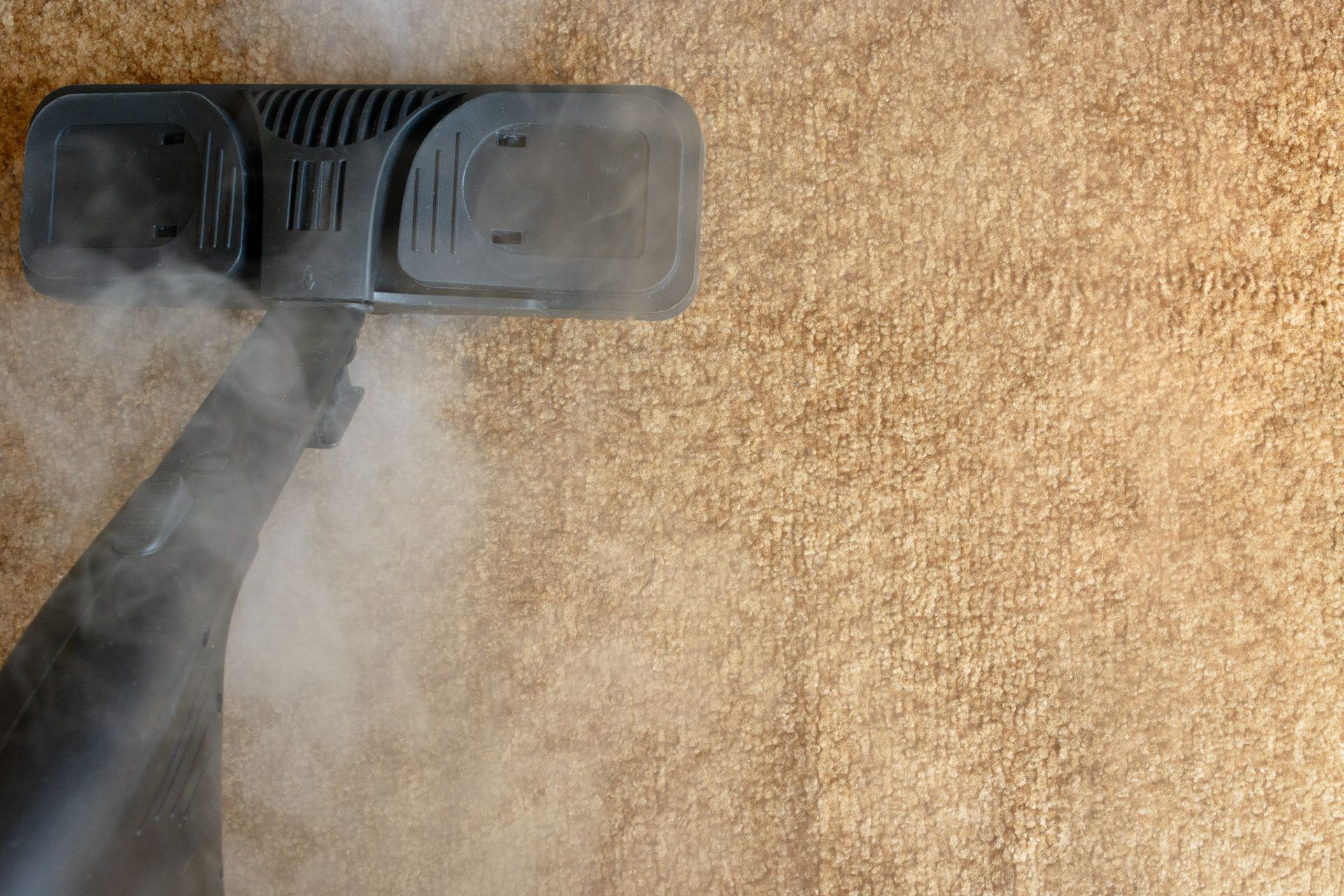
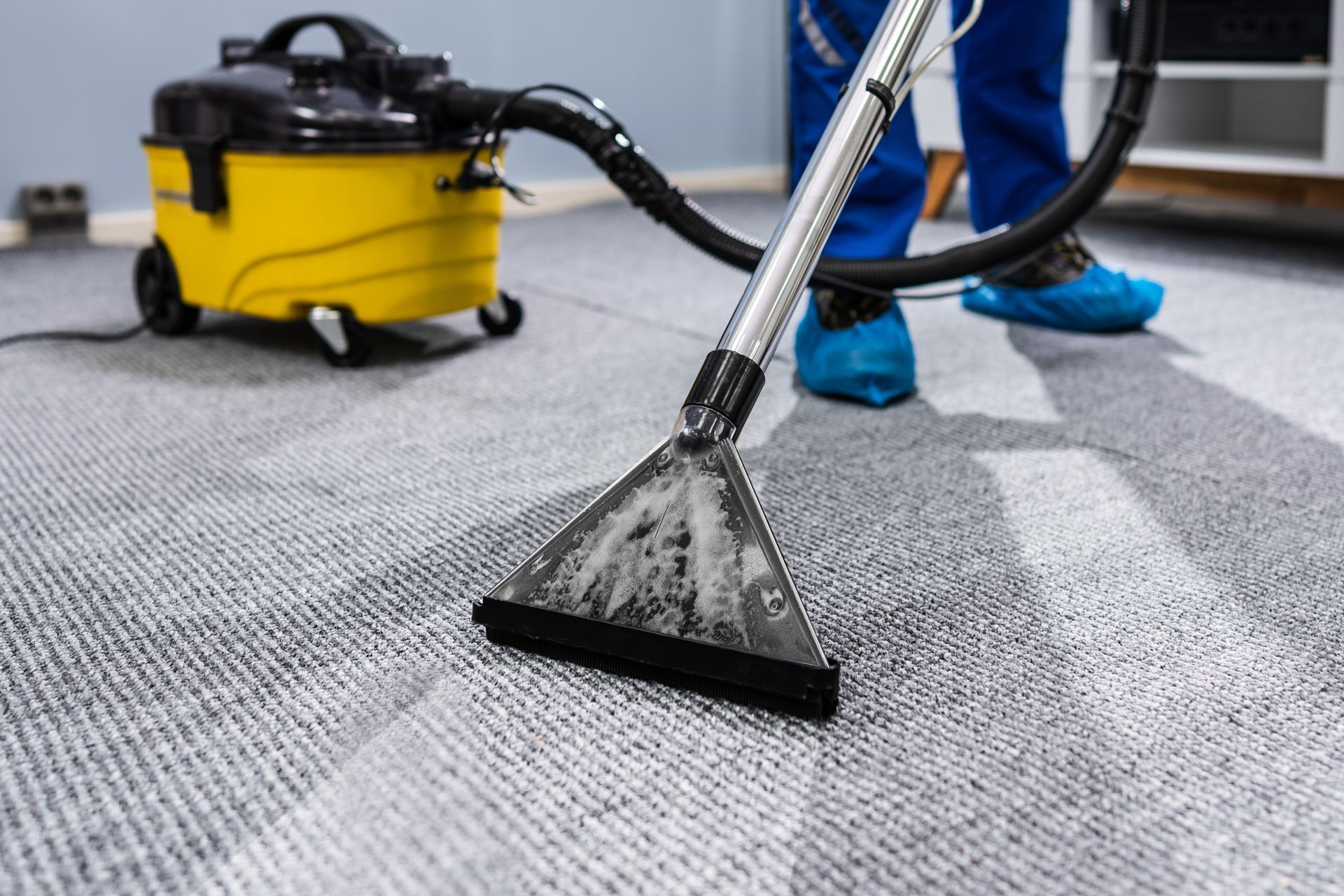
Restoration typically includes water extraction, structural drying, dehumidification, and mould prevention. Technicians use industrial-grade equipment to remove standing water, then deploy air movers and dehumidifiers to draw residual moisture from floors, walls, and cavities. The goal is to stabilise the environment and prevent secondary damage such as mould growth or structural weakening.
In Geelong, restoration is often needed urgently after storm flooding, burst pipes, or appliance leaks. Older period homes in Newtown with timber subfloors can absorb moisture quickly, while coastal properties on the Bellarine Peninsula face elevated risk from storm surge and seasonal rainfall.
Restoration does not fix what was already broken. It stabilises what remains.
What Does a Water Damage Repair Service Actually Cover?
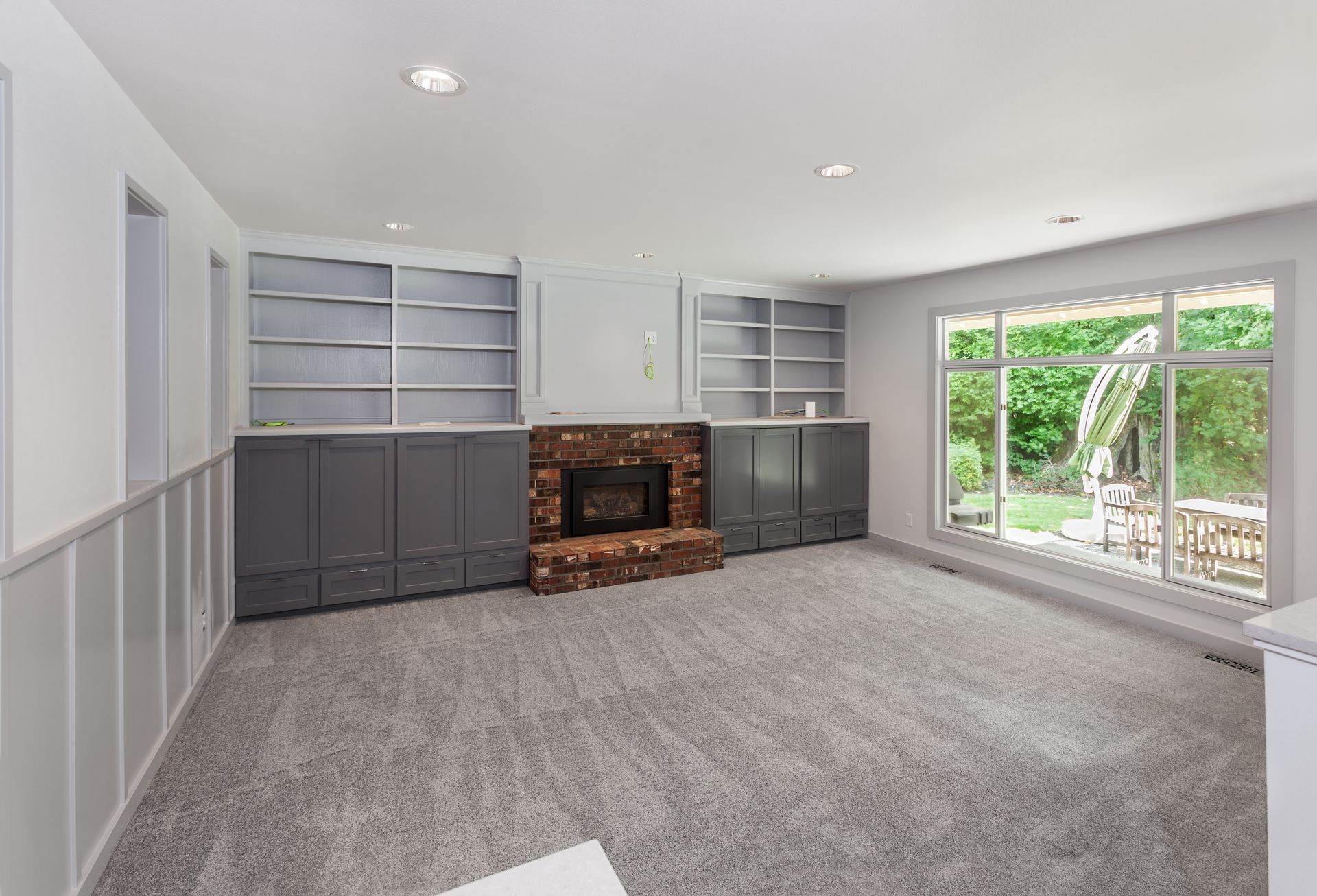
A water damage repair service addresses the physical damage left behind once a property is dry. This can include replacing damaged plasterboard and ceiling linings, reinstating flooring, repairing wall cavities, and restoring skirting boards.
Repair scope depends on how long water was present, which materials were affected, and how quickly restoration began. A period home in Newtown may need ceiling replacement and heritage-appropriate finishes. Commercial premises on the Bellarine may require floor reinstatement across a large area.
Knowing what to expect from a water damage repair service before work begins helps you ask the right questions and avoid unnecessary delays.
When Do You Need One, Both, or Neither?
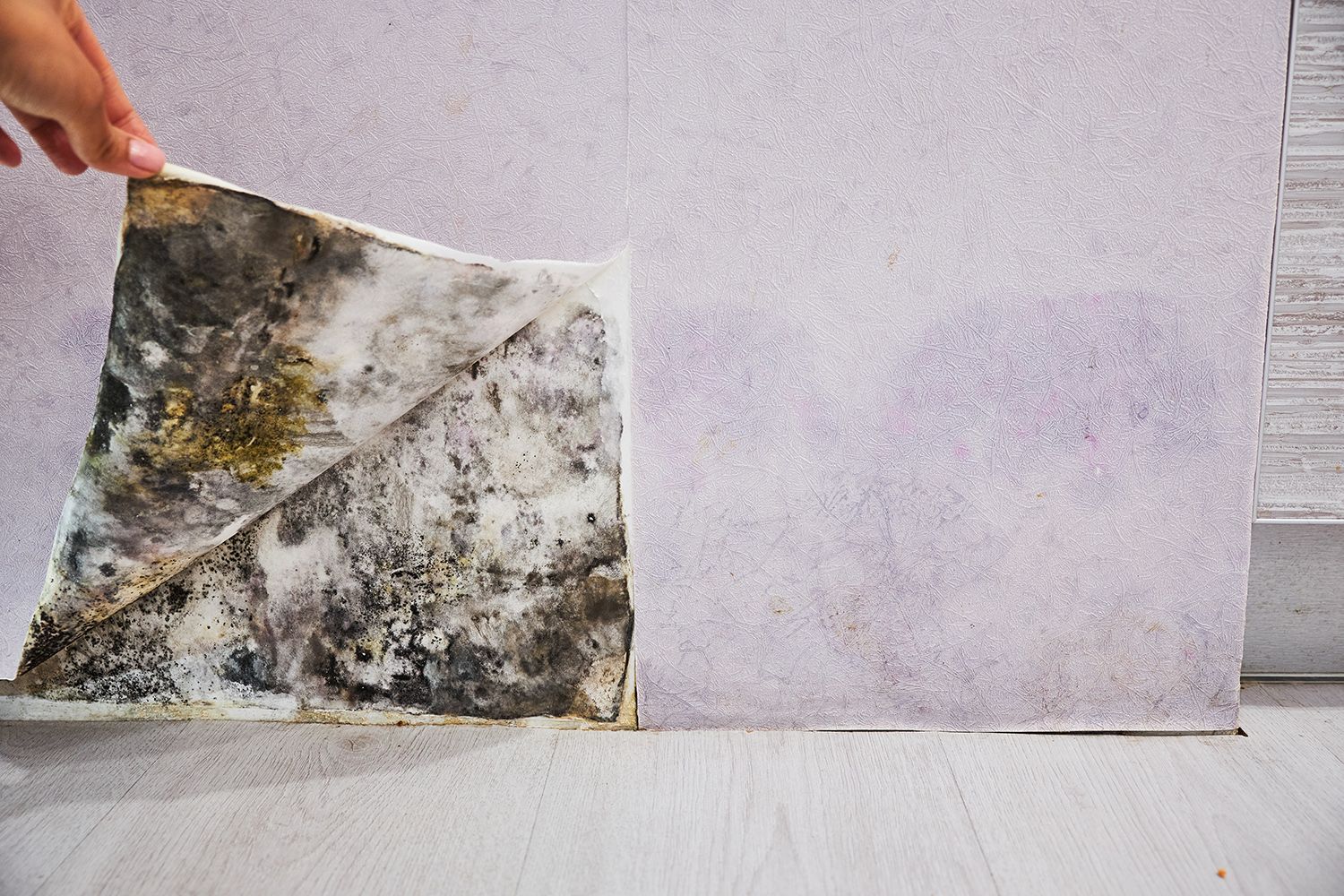
Most significant water events require both services, completed in sequence. Restoration must come first. Attempting repairs before a property is fully dried can trap moisture inside wall cavities, leading to mould within 24 to 48 hours.
A simple guide:
- Restoration only: Minor water event caught quickly, no structural damage, materials fully salvageable.
- Repair only: Property was professionally dried already, physical damage remains.
- Both services: Flooding or significant leak where drying and structural reinstatement are both required.
- Neither: Very small contained spill with no penetration into flooring or walls.
Does Insurance Cover Restoration and Repair After Water Damage?
Most Australian policies cover sudden, accidental water damage. Slow leaks are often excluded. Contact your insurer promptly and obtain a professional assessment report.
How Long Does the Restoration Process Take in Geelong?
Structural drying typically takes two to five days, depending on materials, area size, and water type, with ongoing monitoring throughout.
Can Mould Develop During the Repair Phase?
Yes. Moisture trapped in cavities or under new flooring creates mould conditions. Confirm thorough drying before any building repairs begin.
Get the Right Help From Geelong Prestige Cleaning Company
Geelong Prestige Cleaning Company offers 24/7 emergency water damage restoration and repair services for residential and commercial properties throughout Geelong, VIC. Call 03 52 7222 33 today, or explore the water damage and mould services page to learn more. You can also find Geelong Prestige Cleaning Company on Google to read reviews and get in touch.